
17 Mar, 2026
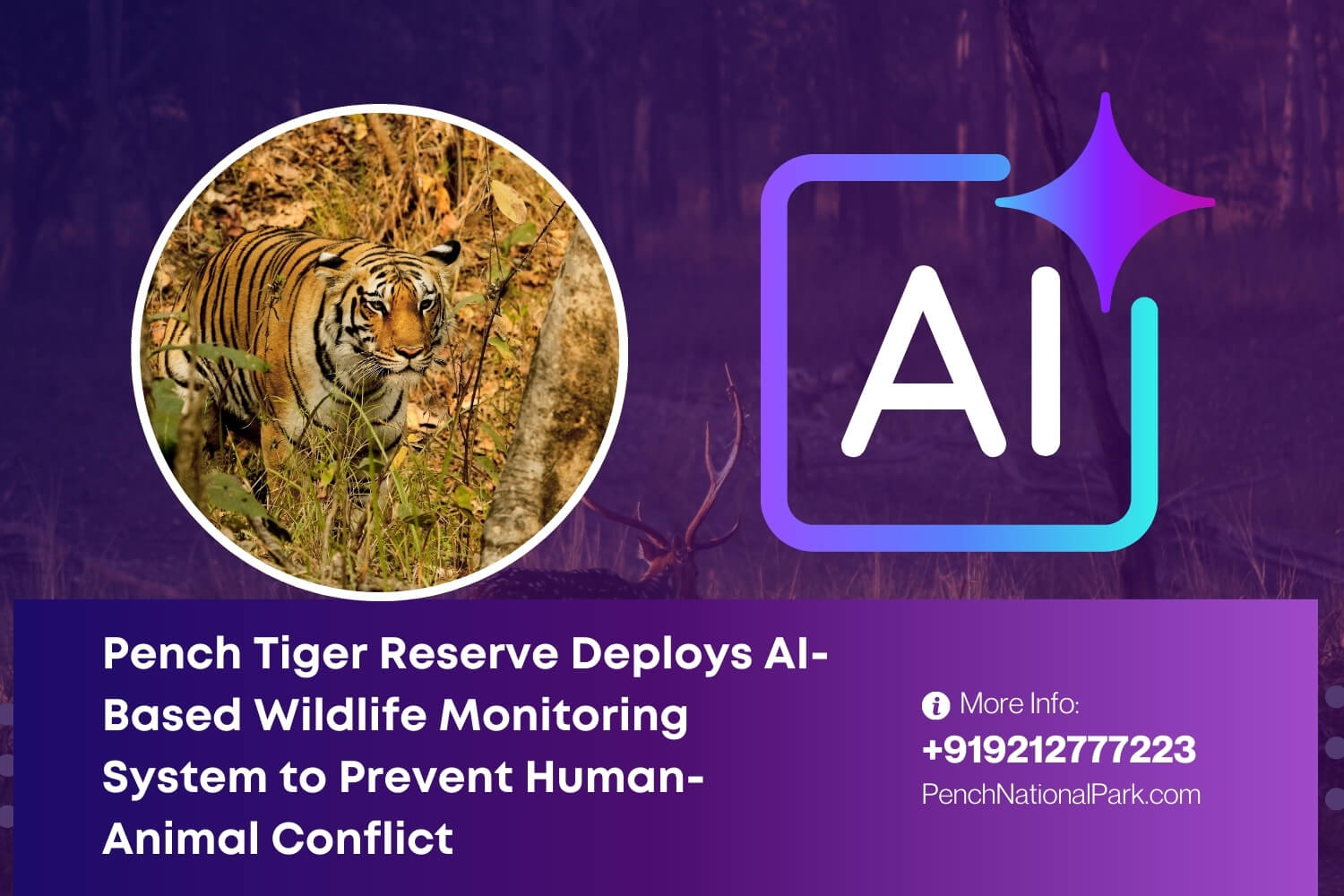
Pench Tiger Reserve Deploys AI-Based Wildlife Monitoring System to Prevent Human–Animal Conflict
The Pench Tiger Reserve AI Surveillance System is an innovative development for the conservation of wildlife in India, through the combination of technology and the on-the-ground safety nets. Located in the Seoni and Chhindwara districts within the state of Madhya Pradesh, the Pench Tiger Reserve has recently activated their Protection And Alert Wildlife System (PAWS) to provide real-time surveillance of the movements of tigers and leopards as they approach villages. Covering an area of approximately 1,179 sq km, Pench National Park encapsulates nearly 130 villages in its buffer zone and is therefore experiencing increased pressure from both human and wildlife activities. The purpose of this AI-based animal alerting system is to decrease human/wildlife conflict through rapid notification and more rapid response, and improving long-term conservation planning.
What is PAWS? Understanding the AI Wildlife Monitoring System
The PAWS wildlife system in Pench Tiger Reserve is a smart surveillance and alert mechanism designed to monitor animal movement near human settlements.
Key highlights:
- Uses GSM-enabled camera traps for real-time data capture
- Powered by artificial intelligence in wildlife conservation
- Integrated with forest department communication networks
Sends alerts via:
- SMS notifications
- Mobile applications
- Dedicated forest communication channels
How the System Prevents Human–Wildlife Conflict?
The core goal of the AI wildlife alert system in Pench is to reduce dangerous encounters between humans and wild animals.
How it works:
- Detects tiger or leopard movement near village boundaries
- Instantly alerts forest officials
- Enables rapid response teams to:
- Warn villagers
- Guide safety measures
- Prevent direct encounters
Impact:
- Reduces risk of attacks
- Improves human safety near forest areas
- Strengthens wildlife protection strategies in India
Tracking Problem Animals and Areas of Conflict
One of the most sophisticated and beneficial aspects of the PAWS system is its ability to track and reconcile the movements of specific individual animals which have been involved in conflicts through the use of camera traps.
Capabilities of the PAWS system:
- Associates individual camera trap photographs with specific incident reports
- Recognize the existence of “problem animals” within forested areas
- Analyze the patterns of animal movements over an extended period to measure how frequently the problem occurs
Data-driven advantages:
- Assisting with the identification of potential areas of human-wildlife conflict
- Provides data to assist in developing targeted intervention strategies
- Assists in providing a more thorough analysis of wildlife movement in India
AI in Action: Detecting Threats Beyond Wildlife
The AI monitoring system in Pench Tiger Reserve is not limited to tracking animals, it also strengthens forest security.
Additional functions:
- Detects poaching activities in Indian forests
- Identifies illegal logging operations
- Enables quick law enforcement response
Why Pench Tiger Reserve Needed This System?
The introduction of the AI wildlife monitoring system in Madhya Pradesh comes at a crucial time.
Key reasons:
- Rising tiger population in Pench Tiger Reserve
- Increasing human settlements near forest fringes
- Growing instances of human–animal conflict in central India
Ground reality:
- Total area: 1,179 sq km
- Core zone: 411.33 sq km
- Buffer zone: 768.30 sq km
- Around 130 villages located in buffer areas
A Game-Changer for Wildlife Conservation in India
With the introduction of the AI-based monitoring system for the Pench Tiger Reserve, India has set an important precedent for artificial intelligence to aid in the area of wildlife conservation; the PAWS wildlife protection system will provide a solution for what has become one of the most significant challenges faced by conservationists, human-wildlife conflict mitigation, through the use of real-time notifications, predictive/dynamic analysis, and rapid response protocols.
As forests face increasing pressure from expanding human populations, such AI-enabled conservation technologies could become the backbone of future wildlife protection in India. Pench’s initiative is not just a technological upgrade, it’s a blueprint for safer coexistence between humans and the wild.
Other Interesting Blogs to Read
- Popular National Parks in Madhya Pradesh
- Hot Air Balloon Safari in Pench
- For Every Traveller: Top Things to Keep in Mind for Responsible Wildlife Tourism
- Visit a Lesser Known Destination in Madhya Pradesh- Pristine Tamia
- Pench Online/Offline Safari Booking Tips
- India’s First Ever Dark Sky Park!
- Best Things to Do in Pench National Park
- Rare Black Panther Spotted in Pench Tiger Reserve
- Top 10 Weekend Getaways around Pench Tiger Reserve
- Best Top-Rated Places to Stay in Pench National Park
- Farewell to the Limping Queen: The Remarkable Life and Legacy of Tigress Langdi of Pench










 Share
Share Home
Home Packages
 Book Now